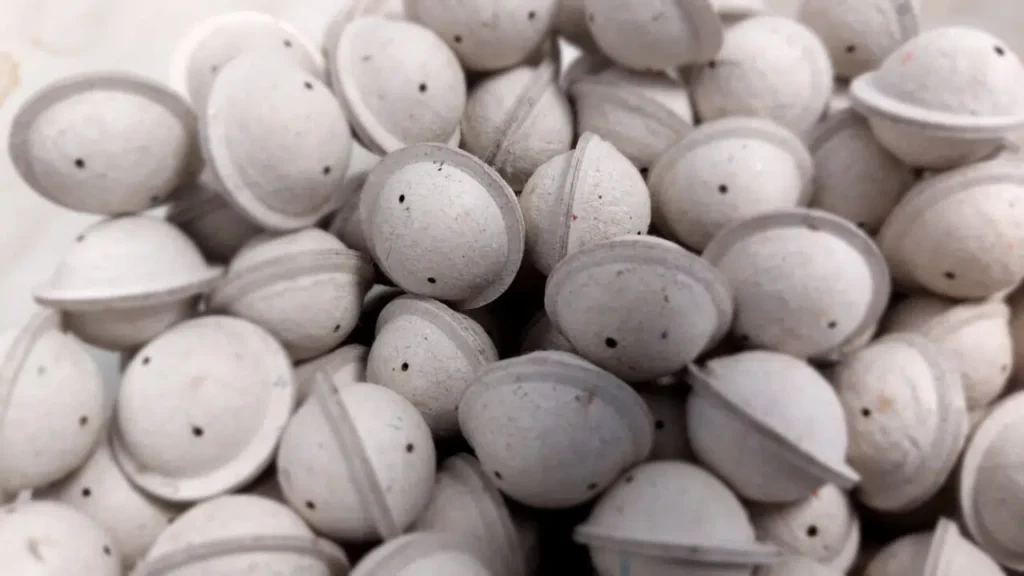
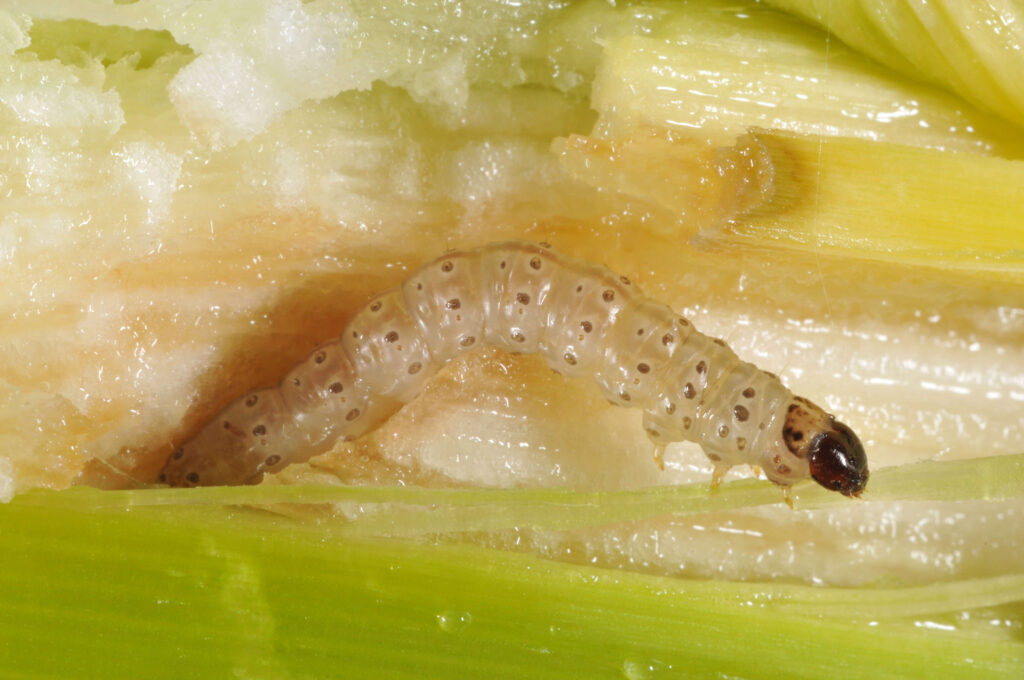
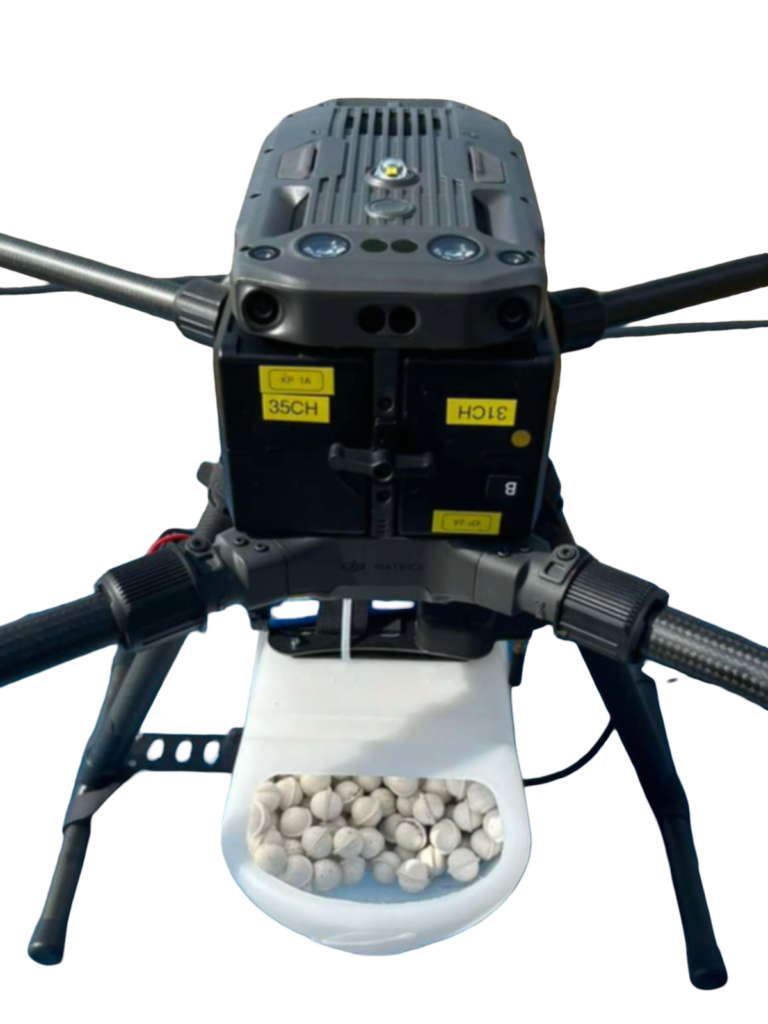
By integrating these macroorganisms into your Integrated Pest Management (IPM) strategy, you reduce reliance on synthetic pesticides, aligning directly with Poland’s CAP eco-scheme “Integrowana Produkcja Roślin” (IPR) requirements for certification and subsidies up to ~630 zł/ha on field crops.
Meets IPM Standards: Follow MRiRW crop methodologies by prioritizing monitoring, mechanical barriers, and biological releases like Trichogramma—limiting chemicals to below MRL thresholds and only as a last resort, earning IPR certification from bodies like AgroEko.
Enhances Broader CAP Access: Satisfies EU conditionality for direct payments; combines with “Biologiczna uprawa” for micros, maximizing ~146 EUR/ha while building sustainable practices